📍 Location: Ipswich, Suffolk
🏢 Client: All
🔎 Summary
At Countryside Trees, we’re often asked what happens to the material generated during our work. Although it’s classed as waste, very little of it ever goes to waste. Every job produces a mix of timber, brash, and green material, and we handle each stream responsibly with a focus on reuse, recycling, and environmental benefit.
Chipping & Biomass
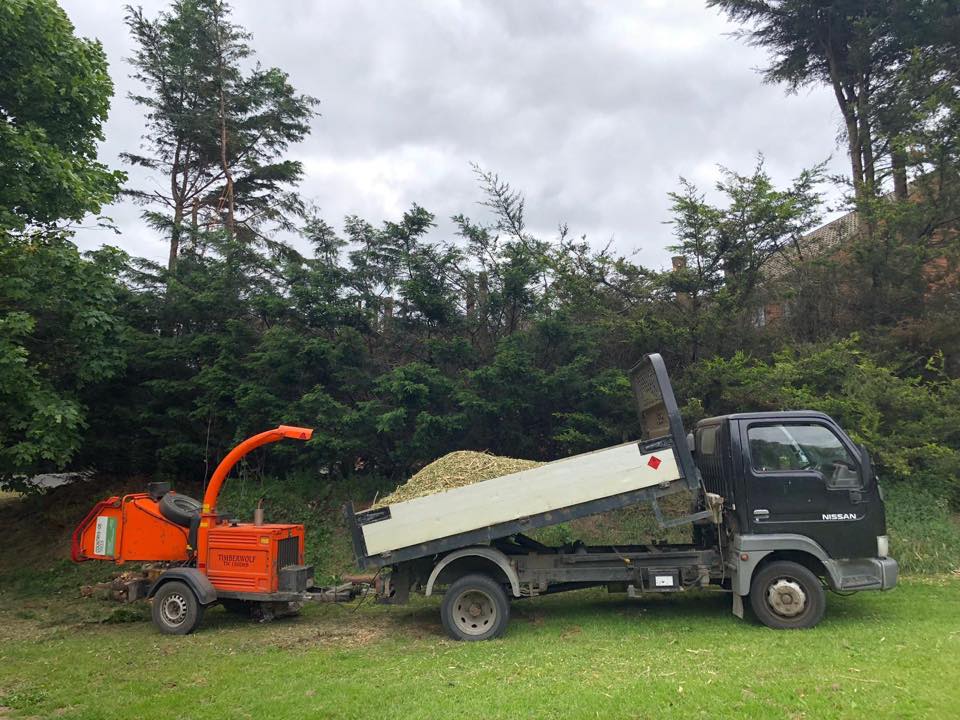
- Smaller branches and pruning material are processed through our woodchipper straight into the tipping van and removed from site. From there, the chip enters one of several markets — biomass, mulch for allotments, farms, equestrian yards, parks, and gardens.
- A significant proportion of the material we process on-site ends up as high‑quality woodchip, and a large share of that goes directly into the biomass supply chain. This is an increasingly important market, and it means the by‑products of our work contribute to low‑carbon heating systems across the region.
- Once chipped, material is tipped at approved facilities where it’s screened, graded, and blended depending on its end use. Clean, consistent chip from species such as ash, sycamore, beech, and other hardwoods is ideal for biomass boilers. These systems rely on a reliable fuel source, so we ensure our chip is free from contamination, soil, and oversized material before it leaves site.
- Not all chip is suitable for biomass, and that’s where our other outlets come in. Mixed‑species chip is regularly used as mulch for allotments, farms, equestrian yards, parks, and gardens, helping to suppress weeds, retain moisture, and improve soil structure. We match the chip type to the application — for example, avoiding species like yew where livestock may be present.
- By diverting material into biomass and land‑based uses, we minimise waste, reduce the volume going to landfill, and ensure that almost everything generated from a job is put to productive use. It’s a straightforward, practical approach that aligns with how we work: efficient, responsible, and environmentally aware.
Firewood & Timber Recovery
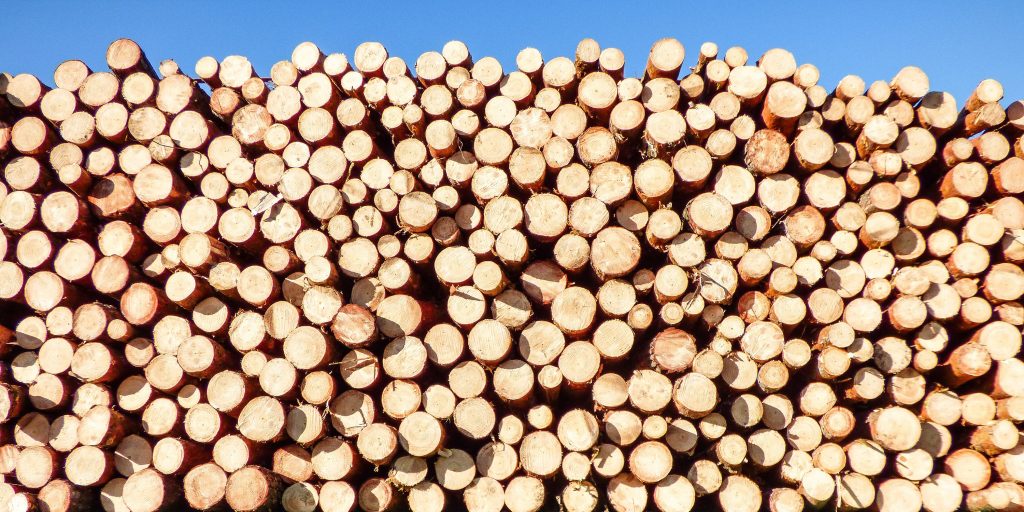
- Larger timber suitable for firewood is sold wholesale in the size it comes off the van. Because much of our work involves dismantling trees in tight gardens, logs are often cut to man‑handleable lengths. Where access allows, we use a compact mechanical loader to remove heavier sections — easier on our backs and far cleaner for the customer’s garden.
Green Waste & Composting
- Material that can’t be chipped — typically soft hedge cuttings — is taken to an approved green‑waste facility for commercial composting. We occasionally buy back this compost as a soil conditioner for tree planting projects, closing the loop.
Leaving Material On‑Site
- Most customers ask us to remove everything, but we’re equally happy to leave chip, timber, or branchwood on‑site if there’s space and the client wants to make use of it. Increasingly, customers request firewood‑sized timber for their own log burners. We cut it to manageable lengths and stack it neatly for them to process.
Milling, Planking & Craft Use
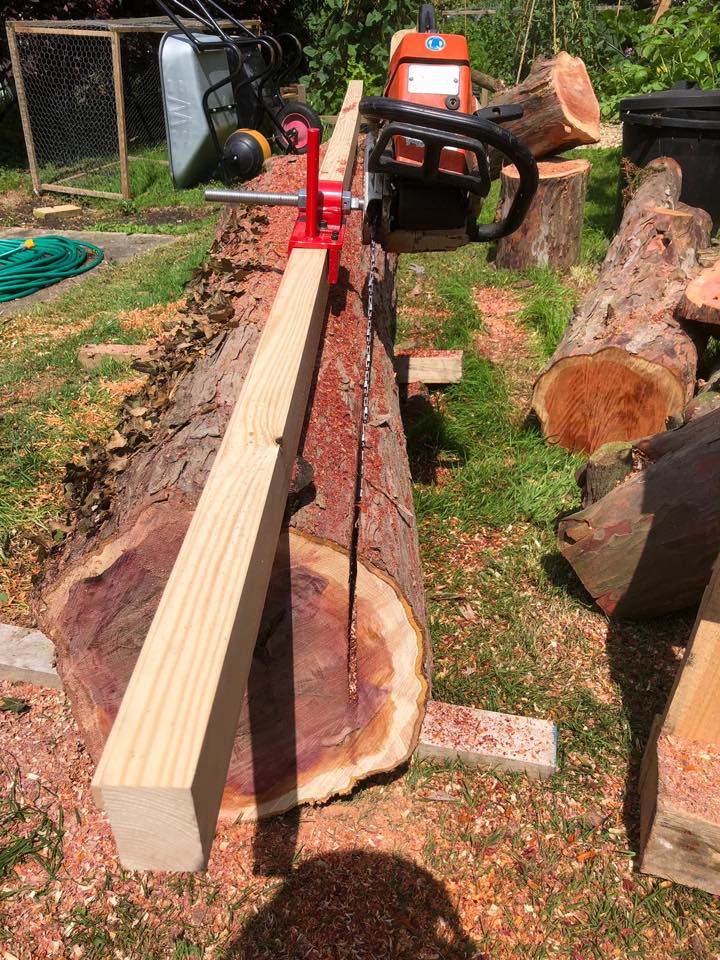
- When we come across timber of the right size and quality, we divert it to a local sawmill for planking — ideal for furniture makers and bespoke projects.
- We also supply interesting pieces to woodturners, and occasionally produce our own small items such as garden furniture, carvings, and seasonal pieces.
Compliance
- All waste movements are carried out under our Environment Agency waste carrier licence, and we complete the required documentation for every load.